Awning vs casement windows for ventilation in Ohio homes
Awning vs casement windows for ventilation in Ohio homes: we compare airflow, rain protection, cost, and efficiency so you can pick the right style for your house.
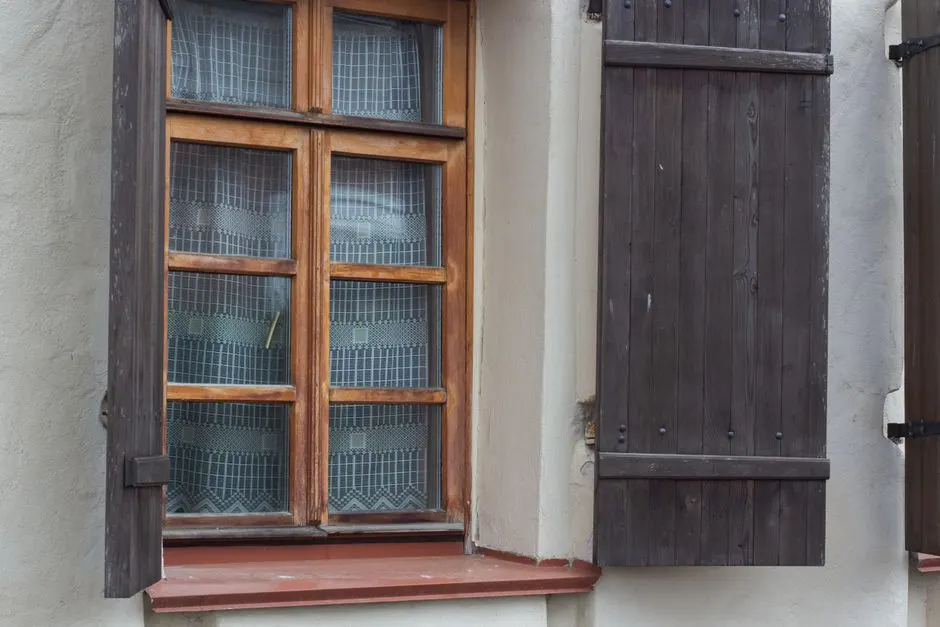
For ventilation in Ohio homes, casement windows move more air per square foot than awning windows because their full-height sash swings out and catches cross-breezes, while awning windows trade some of that volume for all-weather operation. If your priority is maximum airflow on mild days, casement wins. If you want to leave windows open during a July downpour without soaking the sill, awning wins.
We install both styles across Ohio, and the right answer depends on the room, the wall, and how you actually live. Below we break down airflow, rain performance, 2026 pricing, and placement so you can choose with confidence.
How Awning and Casement Windows Actually Move Air
Awning vs casement windows is really a story about two different hinge points. A casement window hinges on the side and cranks open outward like a door, exposing the full height of the sash to the wind. An awning window hinges at the top and pushes the bottom of the sash outward, creating a slanted canopy that deflects rain while letting air rise into the room.
That geometry matters more than most homeowners expect. A 3-foot by 5-foot casement opened 90 degrees presents roughly 15 square feet of open sash to the breeze. The same-size awning opened to its maximum 45-degree tilt exposes closer to 7 or 8 square feet of effective opening. More opening equals more air, which is why casements consistently outperform awnings in raw ventilation tests.
But airflow is not only about volume. It is also about direction. Casements work best when they face the prevailing summer wind, which in most of Ohio blows from the southwest between June and September. Awning windows work on any wall because the upward deflection pulls air in from below and pushes warm air out near the ceiling. In a two-story house, that stack effect can move more total air through the home than a single large casement on the wrong wall.
Which Is Better for Ventilation: Awning or Casement Windows in Ohio?
Casement windows are better for ventilation in Ohio when you want maximum airflow on mild days, and awning windows are better when you need to keep windows open through rain or when the window sits above furniture, a kitchen sink, or a stairwell. That is the short answer. The longer answer depends on how many windows you are replacing and which direction they face.
If you are replacing a single window in a bedroom that faces the evening breeze, a casement is almost always the higher-airflow choice. If you are replacing a row of windows along a covered porch or above a countertop, awning windows let you ventilate without moving plants, papers, or electronics out of the way.
Many of our customers end up with a mix: casements on the windward side of the house and awnings on the leeward or sheltered side. That combination gives you cross-ventilation on calm days and rain-safe airflow during storms. If you are weighing this against other styles, our guide to window replacement in Ohio covers how double-hung, slider, and fixed windows fit into the same plan.
Rain, Humidity, and Ohio's Four Seasons
Ohio gets about 39 inches of rain per year, and summer thunderstorms can drop an inch in under an hour. That is the single biggest reason homeowners ask us about awning windows. An awning window can stay open during a moderate rain because the sash acts like a roof over the opening. A casement cannot - rain blows straight in unless the wind is perfectly parallel to the wall.
Humidity is the other factor. Ohio summers routinely run 70 to 90 percent relative humidity, and a house that cannot vent that moisture ends up with sticky air, fogged windows, and higher air-conditioning bills. Awning windows help here because they can stay open longer without rain risk, especially in bathrooms and kitchens where moisture spikes fast.
Winter changes the calculation. From November through March, you are not ventilating much - you are trying to keep heat in. Both awning and casement windows seal well when they are properly installed and weatherstripped. The difference is in the hardware: a casement's multi-point lock pulls the sash tight against the frame, which is why casements often post slightly better air-infiltration numbers than awnings in cold-climate testing.
Awning vs Casement Cost in Ohio
Awning vs casement cost in Ohio is close enough that the decision should be about function, not price. In 2026, a standard vinyl casement window installed in an Ohio home runs about $550 to $950 per window, depending on size, glass package, and whether we are replacing trim. A comparable awning window runs $500 to $900. Wood-clad and fiberglass versions push both numbers into the $1,100 to $1,800 range.
Labor is nearly identical because the rough opening and flashing details are the same. The bigger cost variable is what we find when we pull the old window. Rot around the sill, failed flashing, or a rough opening that is out of square can add $150 to $400 per window. We quote that upfront after we see the opening, not after the work starts.
If you are doing more than a few windows, the per-window price drops. A full house window replacement in Ohio typically saves 10 to 20 percent per opening compared to piecemeal jobs because we can stage the work, order in bulk, and finish the exterior trim in one pass.
Placement: Where Each Style Works Best in an Ohio House
Placement decides more ventilation outcomes than window style alone. Here is how we usually map awning and casement windows in a typical Ohio home:
- Casement: bedrooms, living rooms, and any wall facing the prevailing summer breeze. Best when you want a full-height opening and the window is not above furniture.
- Awning: kitchens, bathrooms, basements, stairwells, and windows above countertops or furniture. Best when you want airflow without rain risk or obstruction.
- Pair them: a casement on the windward wall and an awning on the opposite wall creates a pressure difference that pulls air through the whole room.
For a whole-house ventilation plan, we often recommend casements on the south and west walls and awnings on the north and east. That setup captures the summer breeze and still lets you vent the kitchen and baths during spring and fall rain. If you are working through a larger project, our residential window replacement in Ohio service covers the full assessment, including which walls get which style.
We also see a lot of variation by city. Older housing stock in Residential window installation and replacement in Cleveland often has deep double-hung openings that convert cleanly to casements, while newer suburban builds in Residential window installation and replacement in Dayton tend to have wider openings that suit awnings above kitchen sinks and casements in great rooms.
Common Mistakes We See on Ventilation Window Projects
The most common mistake is choosing a window style before checking which way the room faces. A casement on a wall that never sees wind will ventilate worse than an awning on a wall that does. We check orientation, tree cover, and neighboring structures before we recommend anything.
Second mistake: sizing the opening for the frame instead of the sash. A 30-inch casement and a 30-inch awning do not deliver the same airflow. If ventilation is the goal, we size the sash, not just the rough opening.
Third mistake: skipping the screen. Both awning and casement windows need screens, and cheap screens cut airflow by 20 to 30 percent. We use high-transparency mesh on ventilation windows so you get the airflow without the bug problem.
Fourth mistake: ignoring the crank hardware. Awning and casement windows rely on a mechanical operator, and low-grade operators fail in five to seven years. We install stainless-steel or composite operators rated for 10,000-plus cycles, which in Ohio weather usually means 15 years or more of daily use.
When to Call a Professional
Call a professional when you are replacing more than one window, when the existing frame is wood and shows any softness, or when you want to change the style from what is currently in the wall. Changing from a double-hung to a casement or awning is not a swap - it changes the rough opening, the trim, and sometimes the header.
We handle the whole job: measuring, ordering, removing the old unit, flashing the opening, installing the new window, and finishing the interior and exterior trim. We also handle the permit paperwork where your city requires it. If you are not sure whether your project needs a pro, our team at Residential window installation and replacement can look at photos and tell you in a few minutes.
One more reason to call: ventilation problems are often not window problems. A house with a tight envelope and no return-air path will not ventilate well no matter what windows you install. We check the whole picture before we sell you glass.
Frequently Asked Questions
Which is better for ventilation, awning or casement windows in Ohio?
Casement windows are better for maximum airflow in Ohio because the full-height sash opens outward and catches cross-breezes. Awning windows are better when you need to keep windows open during rain or when the window sits above furniture or a countertop. Many Ohio homes use both styles on different walls.
Do awning windows provide good ventilation?
Yes. An awning window opened to 45 degrees delivers roughly half the airflow of a same-size casement, but it can stay open in rain and works on any wall orientation. For kitchens, baths, and basements, that trade-off usually makes awning the better ventilation choice.
Are casement windows good for airflow in Ohio?
Casements are the highest-airflow operable window style we install. A 3-by-5-foot casement opened 90 degrees exposes about 15 square feet of opening, compared to 7 or 8 square feet for the same-size awning. They work best on walls that face the prevailing southwest summer breeze.
How much do awning windows cost in Ohio?
In 2026, a standard vinyl awning window installed in an Ohio home runs about $500 to $900 per window. Wood-clad and fiberglass versions run $1,100 to $1,800. Rot repair or flashing replacement can add $150 to $400 per opening if we find damage.
Can I mix awning and casement windows in the same house?
Yes, and we recommend it often. Casements on the windward side of the house and awnings on the sheltered side give you cross-ventilation on calm days and rain-safe airflow during storms. Mixing styles also lets you match each room's layout and furniture.
Get Help with Residential Window Installation and Replacement in Ohio
If you are ready to stop guessing which window will actually cool your house, we will measure your openings, check the orientation, and give you a straight recommendation for awning, casement, or a mix of both. Call Residential window installation and replacement at +18333460519 to schedule your in-home assessment.