Drafty windows driving up heating bills
We replace the unit, re-flash the opening, and seal the perimeter with expanding foam and caulk. New weatherstripping on the sash stops the draft at the source instead of masking it with plastic film.
Window replacement in Ohio means picking a unit that survives lake-effect wind, July humidity, and January freeze-thaw without leaking a drop. We install vinyl, wood, and fiberglass windows across the state, from century homes in Columbus to newer builds in Westerville. If your glass fogs between panes or your frames rot, we pull the old unit, flash the opening, and set the new one in a single day.
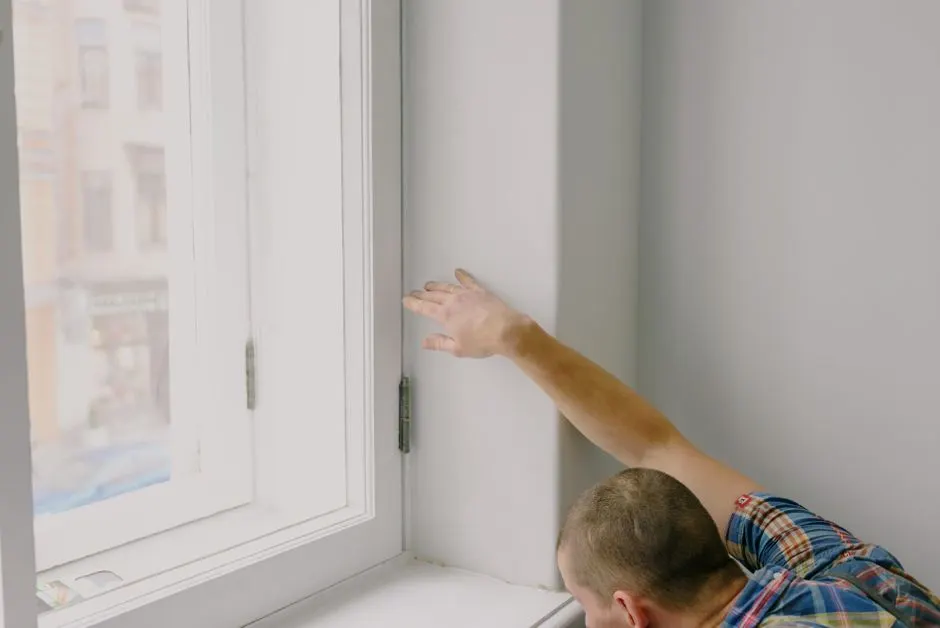
Window replacement in Ohio is the removal of an existing sash, frame, or full unit and the installation of a new window assembly that meets current NFRC ratings for your climate zone. On a typical job we measure the rough opening, cut back failing caulk and flashing tape, check the sill pan for rot, then set the new unit on shims and window setting blocks. We insulate the perimeter with expanding foam, seal it with a bead from the caulking gun, and test the sash for smooth operation before we pack up.
Most homeowners call us because their windows are drafty, the glass has fogged between panes, or the frames have rotted at the sill. Ohio swings from single digits in January to the mid-90s in July, and that thermal cycling destroys cheap seals fast. A full window replacement in Ohio resets the whole assembly, not just the glass. If you are searching for window replacement near me Ohio and want a crew that understands Midwest weather, we are the call.
Every job includes the unit, the labor, the flashing and insulation materials, and the haul-away. We do not nickel-and-dime you on caulk or disposal. Here is what shows up in your quote by default.
Vinyl, wood, fiberglass, or aluminum units from Andersen, Pella, Marvin, Milgard, Simonton, or Jeld-Wen. Every unit carries an ENERGY STAR rating and NFRC certification label for your climate zone.
We install flashing tape and a sill pan at every rough opening. This is the detail that keeps water out of your wall cavity during a driving Ohio rain. Skipping it is the number one cause of callbacks.
Expanding foam fills the gap between the frame and the rough opening, then we run a bead of caulk inside and out. New weatherstripping goes on every sash so the unit seals tight against wind and rain.
Interior trim is reinstalled or replaced to match your existing profile. Exterior trim gets caulked and sealed. We do not leave you with exposed framing or a gap that needs a second contractor to finish.
We haul away every old window, sash, and scrap piece of trim. Your driveway and lawn are left clean. No dumpster sitting in front of your house for a week after the crew leaves.
We come out, measure every rough opening with a tape measure, and check the existing frames for rot or out-of-square conditions. You get a written quote the same day with unit options from Andersen, Pella, or Simonton. Most homes take 45 to 60 minutes to measure.
Standard sizes ship in 2 to 4 weeks. Custom or wood units can run 6 to 8 weeks. We lock your install date once the units arrive and confirm the crew size based on how many windows you are replacing. A full house of 15 windows is usually a two-day job.
On install day we lay drop cloths, pull interior trim where needed, and cut the old caulk line with a utility knife. We work room by room so you are never without a sealed window overnight. Furniture gets moved and covered before we start cutting.
We pull the old unit with a pry bar, inspect the sill pan and flashing tape, then set the new window on shims and setting blocks. Expanding foam and caulk seal the perimeter. Each window takes 45 to 90 minutes depending on trim and frame condition.
Every sash gets opened, closed, and locked. We check the level, confirm the reveal lines are even, and clean the glass inside and out. You walk the job with us before we leave, and we haul away every old unit and scrap piece.
Purpose-built equipment, used by trained technicians — so the job is done accurately the first time.
Used to measure every rough opening to the sixteenth of an inch and confirm the new unit sits plumb and level before we fasten it. Out-of-square openings are the top cause of sticking sashes.
The pry bar pulls old trim and frames without splintering surrounding wood. The utility knife cuts the old caulk line clean so the new flashing tape bonds to a solid surface.
The caulking gun lays a consistent bead around the exterior and interior perimeter. The insulation gun meters expanding foam into the gap so the cavity is sealed without bowing the frame.
Setting blocks hold the sash at the correct height in the frame, and shims square the unit in the opening. Both protect the sash from sagging and keep the operating hardware aligned.
Used to fasten the frame through the nailing fin or jamb, reinstall trim, and mount hardware. We use the correct bit for each fastener so nothing strips or splits.
Original double hung wood windows with fogged glass, rotted sills on three units, and visible daylight around the frames. Winter heating bills were high and the front bedroom was unusable in January.
Fourteen new vinyl double hung units with low-E glass and argon fill. Three rough openings rebuilt with new sill pans and flashing tape. The homeowner reported a noticeable drop in heating cost the first winter.
Eleven windows facing the lake leaked air badly enough that plastic film was taped over two of them every winter. Exterior caulk had cracked and the flashing tape behind the trim had failed years earlier.
Full-frame replacement on all eleven units with new flashing tape lapped shingle-style and expanding foam at the perimeter. The plastic film came down for good and the rooms stayed warm through a windy February.
Twelve west-facing windows with failed seals and cloudy glass. The rooms overheated in July and the air conditioning ran constantly from noon to sunset.
Twelve fiberglass units with low-E glass rated for solar heat gain control. The homeowner measured a cooler upstairs in July and the AC cycled less often during peak afternoon hours.
Old windows fail in predictable ways, and Ohio weather speeds up the process. Here are the calls we get most and how we handle them.
Ask a pro →We replace the unit, re-flash the opening, and seal the perimeter with expanding foam and caulk. New weatherstripping on the sash stops the draft at the source instead of masking it with plastic film.
The unit has to be replaced because the sealed glass assembly cannot be repaired. We match the glass package and low-E coating so the new pane looks and performs like the rest of your windows.
We cut out the rot, rebuild the rough opening, install a new sill pan and flashing tape, then set the replacement unit. The repair is done to ICC code compliance so it passes inspection.
We replace the balances, tracks, and sash hardware, or install a new unit if the frame is out of square. Every window we touch opens, closes, and locks smoothly before we leave the job.
“We had 14 windows replaced in our 1920s house near Grandview Heights. The crew found rotted sill pans on three of them and rebuilt the openings instead of covering it up. First January after the install our furnace ran noticeably less. They cleaned up every scrap and the trim matches the original profile.”
Dana R.Homeowner, Columbus
✓ Verified“Lake-effect wind used to whistle through our bedroom window. We got quotes from three companies and these guys were the only ones who talked about flashing tape and sill pans. Two-day install, 11 windows, and the drafts are gone. The double hung units tilt in for cleaning, which my wife loves.”
Marcus T.Homeowner, Rocky River
✓ Verified“One fogged window turned into a full-house project once we saw the energy numbers. They walked us through vinyl versus fiberglass and did not upsell us. Install was one long day for 12 windows. The low-E glass made a real difference on our west-facing rooms that used to cook in July.”
Priya S.Homeowner, Westerville
✓ VerifiedMost single windows run $450 to $1,200 installed in 2026, with full-frame jobs at the higher end and pocket replacements at the lower end. A whole-house project of 12 to 15 units typically lands between $7,000 and $15,000 depending on frame material, glass package, and how much trim work is needed. Vinyl units cost less than wood or fiberglass.
A single window takes 45 to 90 minutes to install. A crew of two replaces 8 to 10 windows in a day, so a typical whole-house job runs one to two days. Custom sizes and wood units add lead time on the order side, usually 6 to 8 weeks, but the install itself stays on that same one-to-two-day schedule.
The best window replacement company Ohio homeowners can hire is one that holds the state contractor license, carries AAMA certification, and warranties both labor and materials in writing. Ask for the license, ask who handles warranty claims, and ask whether they flash and insulate the rough opening. If a company dodges those questions, keep looking.
Most like-for-like replacements do not require a permit in Ohio, but structural changes, new openings, or egress window work usually do. Local building departments in cities like Columbus, Hamilton, and Mentor each set their own rules. We check the requirement for your address before we order units so nothing stalls the job.
We run window replacement service Ohio crews out of multiple hubs so we reach both big metros and small towns. From Columbus to Coshocton, our installers bring the same flashing detail, the same unit options, and the same written warranty. If you are in one of these cities, we can usually measure within a week and install as soon as your units arrive.
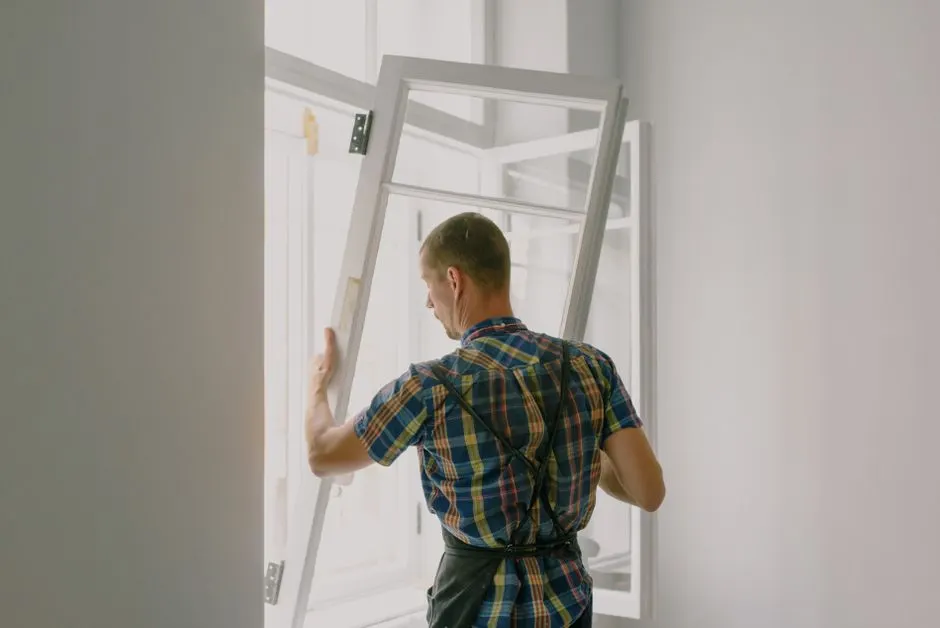 Window InstallationNew-construction and addition window installation for Ohio homes. We set the rough opening, flash it, and install the unit to the same standard we use on replacements. Ideal when you are framing a new wall or finishing a basement.Explore →
 Residential Window ReplacementOur core residential window replacement service covers single-family homes, duplexes, and condos across Ohio. We handle vinyl, wood, and fiberglass units and match existing trim profiles so the exterior looks original when we are done.Explore →
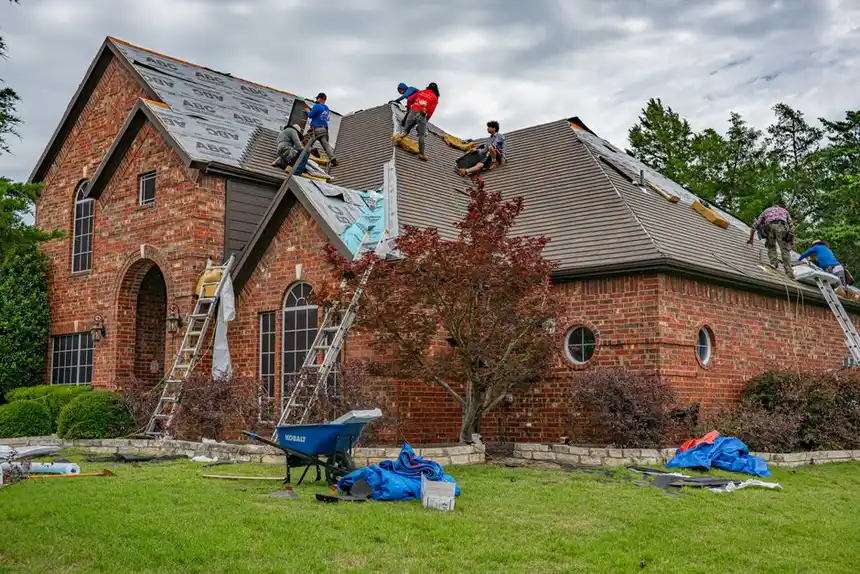 Full House Window ReplacementReplacing every window in one project saves on mobilization and often unlocks better pricing on units. We phase the work room by room so your home stays sealed and secure each night. Most full-house jobs finish in two days.Explore →
 Single Window ReplacementOne cracked pane or one fogged unit does not mean a whole-house project. We replace single windows at the same quality standard, matching the existing frame color and glass package so the new unit blends with the rest of your home.Explore →
 Double Hung Window InstallationDouble hung units are the most common window in Ohio homes because both sashes tilt in for easy cleaning. We install them with fresh balances and weatherstripping so they slide smoothly and lock tight against winter drafts.Explore →
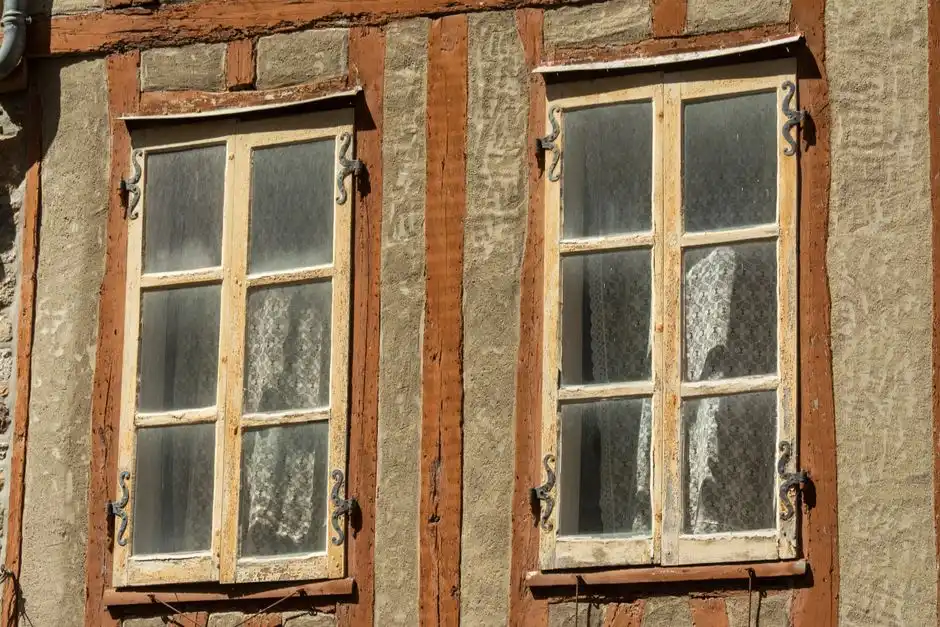 Casement Window InstallationCasement windows crank open for full ventilation and seal hard against the frame when closed. They work well over kitchen sinks and in bedrooms. We install them with proper shimming so the crank mechanism stays smooth for years.Explore →
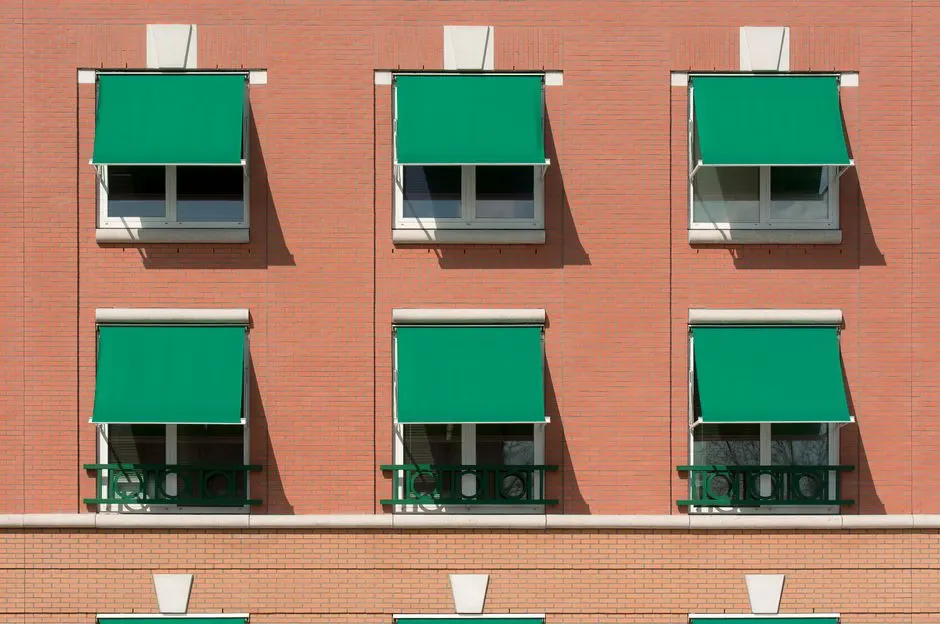 Awning Window InstallationAwning windows hinge at the top and can stay open in light rain, which suits Ohio's unpredictable spring weather. We install them in basements, bathrooms, and above kitchen counters where ventilation matters but space is tight.Explore →
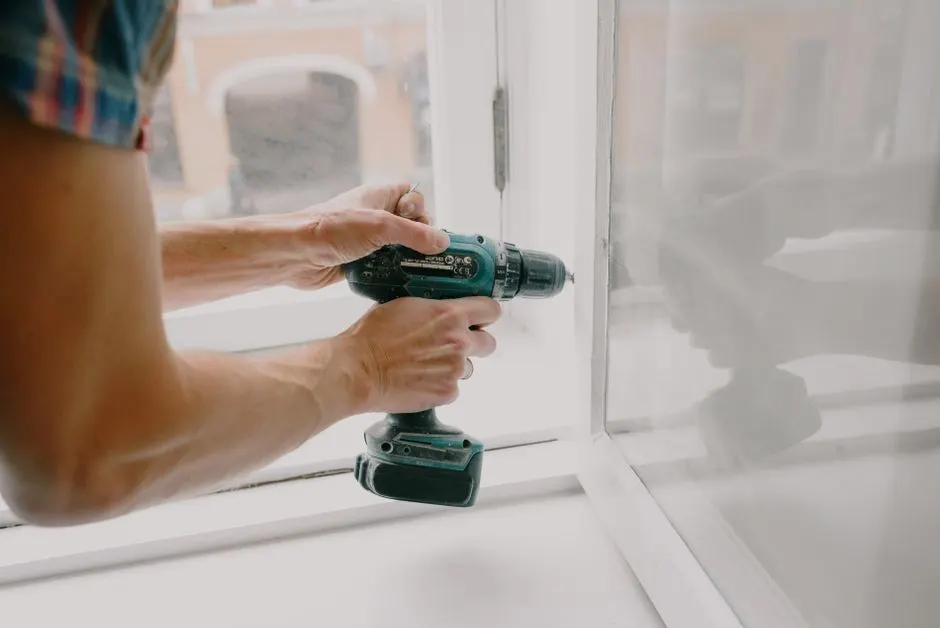 Bay Window InstallationBay windows push out from the wall and add floor space plus daylight. They need a properly framed rough opening and a roof detail that sheds water. We build the opening, flash it, and set the unit so it stays dry through freeze-thaw.Explore →
We measure, we quote the same day, and we warranty the install in writing. Call now and we will get your windows on the schedule before the next cold snap.
Get Free Estimate +18333460519 →Call or email and you will reach a person who schedules window work, not a call center. Tell us how many openings, what is wrong with them, and your address, and we will book a measure visit. Most quotes go out within 48 hours and most installations are scheduled inside two weeks. Storm damage gets same-day attention.