How to Measure a Window for Replacement Yourself
Measure your windows for replacement like a pro. Our step-by-step guide covers tools, rough openings, and common mistakes for Ohio homeowners.
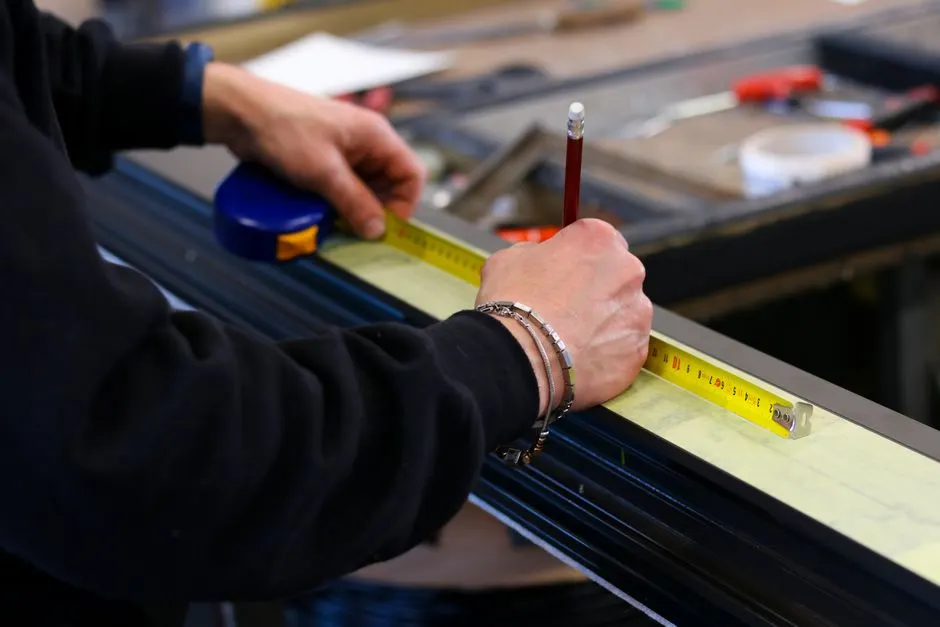
To measure a window for replacement yourself, you need a steel tape measure, a pencil, and a notepad. Measure the width at the top, middle, and bottom of the window opening, then measure the height on the left, center, and right sides. Use the smallest of those six numbers for your final width and height. That's the short answer. The rest of this guide walks you through the exact steps, the tools that make the job easier, and the mistakes that cost Ohio homeowners hundreds of dollars in reordered windows.
We've installed thousands of replacement windows across Ohio, and we've seen every measurement error you can imagine. A window that's a quarter-inch too wide won't fit. One that's too narrow leaves gaps you'll feel every January. Getting this right the first time saves you money and headaches.
Why Accurate Measurements Matter
Accurate window measuring is the difference between a smooth installation and a costly return. Replacement windows are built to order. Once the factory cuts the frame, you own it. A 1/8-inch error might be fixable with shims. A 1/2-inch error means a new window.
Ohio's temperature swings make precision even more important. Summers hit 90°F, winters drop below 0°F. A window that's too small lets in drafts you'll fight all winter. Too large, and you're forcing the frame, which can crack the sash or break the seal.
We've seen homeowners order windows based on the old sash size instead of the rough opening. That's a $400 mistake per window in some cases. Measure the opening, not the old window.
Tools You Need for DIY Window Measurement
You don't need a workshop full of tools. Here's what actually matters:
- Steel tape measure - at least 25 feet. Cloth tapes stretch and give false readings.
- Pencil and paper - record each measurement three times, then circle the smallest.
- Level - a 2-foot level helps you check if the sill is flat. A tilted sill means your height measurements will vary.
- Flashlight - old window frames hide debris and uneven spots. Light them up.
- Utility knife - you may need to cut back old caulk or paint to expose the true frame edge.
Skip the laser measure for this job. They're great for room dimensions, but window openings have too many obstructions for a clean laser bounce. A steel tape gives you a direct read every time.
How to Measure a Window for Replacement Yourself Step by Step
Follow these steps in order. Don't skip the three-point measurement on each side.
Step 1: Remove the old window sash and stops
You're measuring the rough opening, not the old window. Pull the sash out and remove the interior stops if they're removable. If the stops are painted in, score the paint with your utility knife first. You want to see the bare wood frame.
Step 2: Measure the width
Measure from the left jamb to the right jamb at three points: top, middle, and bottom. Write all three numbers down. The smallest number is your width. For example, if you get 35 3/4", 35 5/8", and 35 1/2", your width is 35 1/2".
Step 3: Measure the height
Measure from the sill to the head jamb on the left, center, and right. Again, the smallest number wins. If the sill slopes, the center measurement will be your shortest. That's the one you use.
Step 4: Measure the depth
Measure from the interior wall surface to the exterior wall surface. This tells you how deep your window frame needs to be. Standard depths are 3 1/4" and 4 9/16". If your depth is odd, note it - you may need an extension jamb.
Step 5: Check for square
Measure diagonally from the top-left corner to the bottom-right corner. Then measure from top-right to bottom-left. If the two numbers differ by more than 1/4", your opening is out of square. That's common in older Ohio homes, especially in Residential window installation and replacement in Cleveland where century homes have settled over decades. Out-of-square openings may need a custom-sized window.
How to Measure Double Hung Windows for Replacement
Double hung windows are the most common style in Ohio, and they have a specific measurement quirk. You measure the same way as any other window - width and height of the rough opening - but you also need to note the sash configuration.
Check whether the upper and lower sashes are the same height. In most double hungs, they are. But some older models have a shorter upper sash. If yours does, write that down. The replacement window needs to match the sash ratio or the balance system won't work right.
Also measure the tilt-in feature if your old windows have it. Tilt-in sashes require a slightly different frame depth. If you're upgrading to tilt-in windows, your rough opening needs at least 3 1/4" of depth. Most Ohio homes have that, but check before you order.
For a closer look at how we handle double hung replacements, see our double hung window installation in Ohio page.
How to Measure Window Rough Opening
The rough opening is the framed hole in your wall where the window sits. It's usually 1/2" to 1" larger than the window unit itself. That gap allows for shimming and insulation.
To measure the rough opening, you need to expose the framing. That means removing the interior trim and any drywall returns. It's more work than measuring the old window, but it's the only way to get a true measurement for a full-frame replacement.
If you're doing a pocket replacement - where the new window fits inside the existing frame - you measure the old frame's interior dimensions instead. Pocket replacements are faster and cheaper, but they don't fix rot or drafts around the frame.
For most Ohio homeowners dealing with drafty windows, a full-frame replacement is the better long-term fix. That's why we often recommend window replacement in Ohio with full-frame installation when the existing frames show any signs of moisture damage.
Common Mistakes Measuring Windows for Replacement
These are the errors we see most often when homeowners try DIY window measurement:
- Measuring the old window instead of the opening. The old sash may be smaller than the rough opening. Always measure the opening.
- Using the largest measurement. If your width readings are 36", 35 3/4", and 35 1/2", you use 35 1/2". The largest number will not fit.
- Forgetting to check for square. A 1/4" difference in diagonals means the window won't sit flush. You'll get drafts and operation problems.
- Not accounting for trim. If you're keeping the existing interior trim, your new window must fit behind it. Measure the trim's inner edge, not the wall opening.
- Rounding to the nearest inch. Window manufacturers work in 1/8" increments. A 35 5/8" opening is not a 36" opening. Order the exact size.
One more mistake: measuring only one window and assuming the rest are identical. In older homes, especially in neighborhoods like Residential window installation and replacement in Parma, windows were often custom-built on site. No two are exactly alike. Measure every single window you plan to replace.
When to Call a Professional
If your measurements come out uneven by more than 1/2", or if you find rot, soft wood, or water stains around the frame, stop and call us. Those are signs of hidden damage that a new window alone won't fix.
We handle the entire process - measuring, ordering, and installing. Our team uses professional-grade measuring tools and checks every opening for square, level, and plumb. If a window doesn't fit, we deal with it before we leave your driveway.
We also know Ohio's building codes and permit requirements. Some jurisdictions require a permit for window replacement, especially if you're changing the opening size. We handle that paperwork for you.
If you're not comfortable removing trim or exposing the rough opening, that's fine. Most homeowners aren't. We can measure your windows and give you an exact quote for residential window replacement in Ohio without any obligation.
Frequently Asked Questions
How do I measure a window for replacement myself?
Measure the width at the top, middle, and bottom of the rough opening. Measure the height on the left, center, and right. Use the smallest number from each set. That gives you the correct width and height for ordering a replacement window.
What tools do I need to measure windows for replacement?
A steel tape measure, pencil, paper, and a flashlight are the essentials. A 2-foot level helps check for a sloping sill. A utility knife may be needed to cut back old caulk or paint so you can see the true frame edge.
How accurate do window measurements need to be?
Within 1/8 inch. Replacement windows are built to order, and a 1/4-inch error can mean the window won't fit. Measure three times at each point and use the smallest reading. Rounding to the nearest inch will cause problems.
Should I measure my own windows for replacement?
You can measure your own windows if you're comfortable removing trim and exposing the rough opening. If you find rot, uneven framing, or you're not sure about the depth, have a professional measure. The cost of a wrong measurement is higher than the cost of a professional measure.
How much does it cost to measure windows for replacement in Ohio?
Professional measuring is usually free when you order installation through us. If you measure yourself, your only cost is your time and a tape measure. Typical 2026 pricing for a full-frame replacement window in Ohio ranges from $450 to $1,200 per window installed, depending on size and glass options.
Get Help with Residential Window Installation and Replacement in Ohio
If you'd rather not climb a ladder with a tape measure, we'll do it for you. Our team provides accurate measurements and a clear quote for Residential window installation and replacement in Ohio - no guesswork, no pressure.
Call us at +18333460519 to schedule your measurement. We'll confirm the size, order the right windows, and install them so they seal tight against Ohio's weather.